
Wilke Dononelli

Independent Senior Scientist, Department of Chemistry, University of Bremen
Dr. Wilke Dononelli is a computational chemist at the University of Bremen. His research has two main lines: solving atomic structures of materials by combining diffraction experiments with DFT and machine learning, and developing active-learning machine learning potentials for fast and accurate molecular dynamics. Further topics include catalytic reactions on metal and oxide surfaces, vibrational spectroscopy and high-level ab initio methods.
He received his PhD in theoretical chemistry from the University of Oldenburg (2019, summa cum laude) and was a postdoc at Aarhus University. In 2020 he joined the MAPEX Center for Materials and Processes and the Bremen Center for Computational Materials Science in the Faculty of Production Engineering as a Senior Postdoc and Early Career Investigator. Since 2025 he has been an Independent Senior Scientist in the Department of Chemistry.
Current members
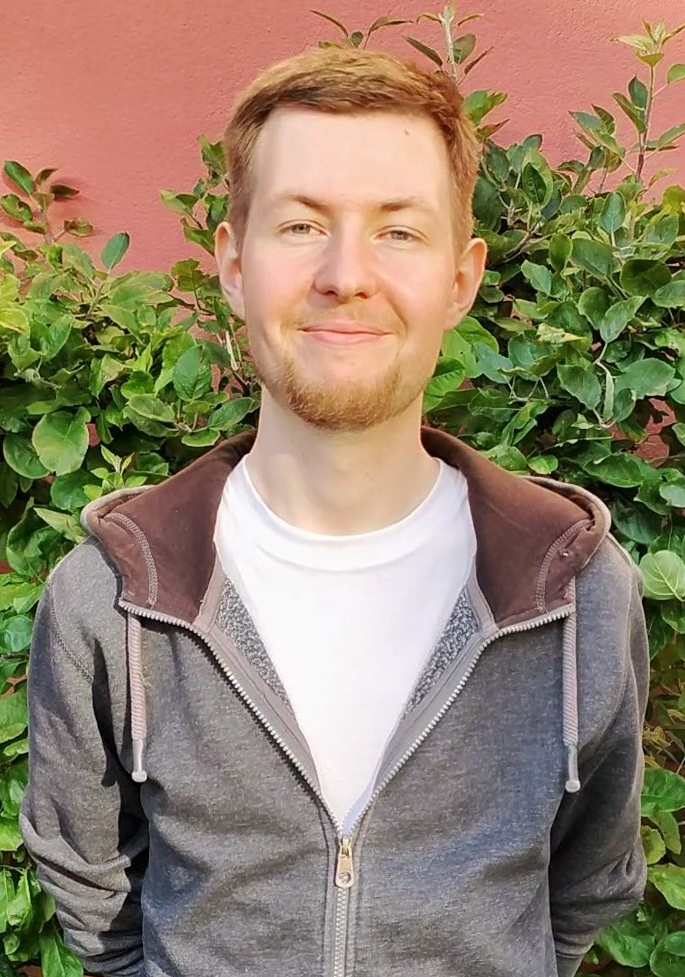
Philipp Diephaus
PhD student (since 2023)
Philipp started with vocational training as a chemical-technical assistant (CTA) from 2015 to 2017, where he gained a solid background in laboratory techniques. He then studied chemistry at the University of Bremen (B.Sc. 2020, M.Sc. 2022). His master’s thesis, “Comparing High Pressure Calculations on Periodic and Finite Systems,” was supervised by Prof. Dr. Tim Neudecker. Since 2023 he has been a doctoral student in the solid-state chemical crystallography group of Prof. Dr. Thorsten Gesing, supervised by Dr. Wilke Dononelli.
In his PhD project, Philipp develops and applies our evolutionary global optimization algorithm to determine the atomic structure of sub-nanometre particles. The materials are synthesized and measured by X-ray diffraction. Starting from the pair distribution function derived from these measurements, the algorithm predicts the atomic arrangement of the sample without any prior structural information.
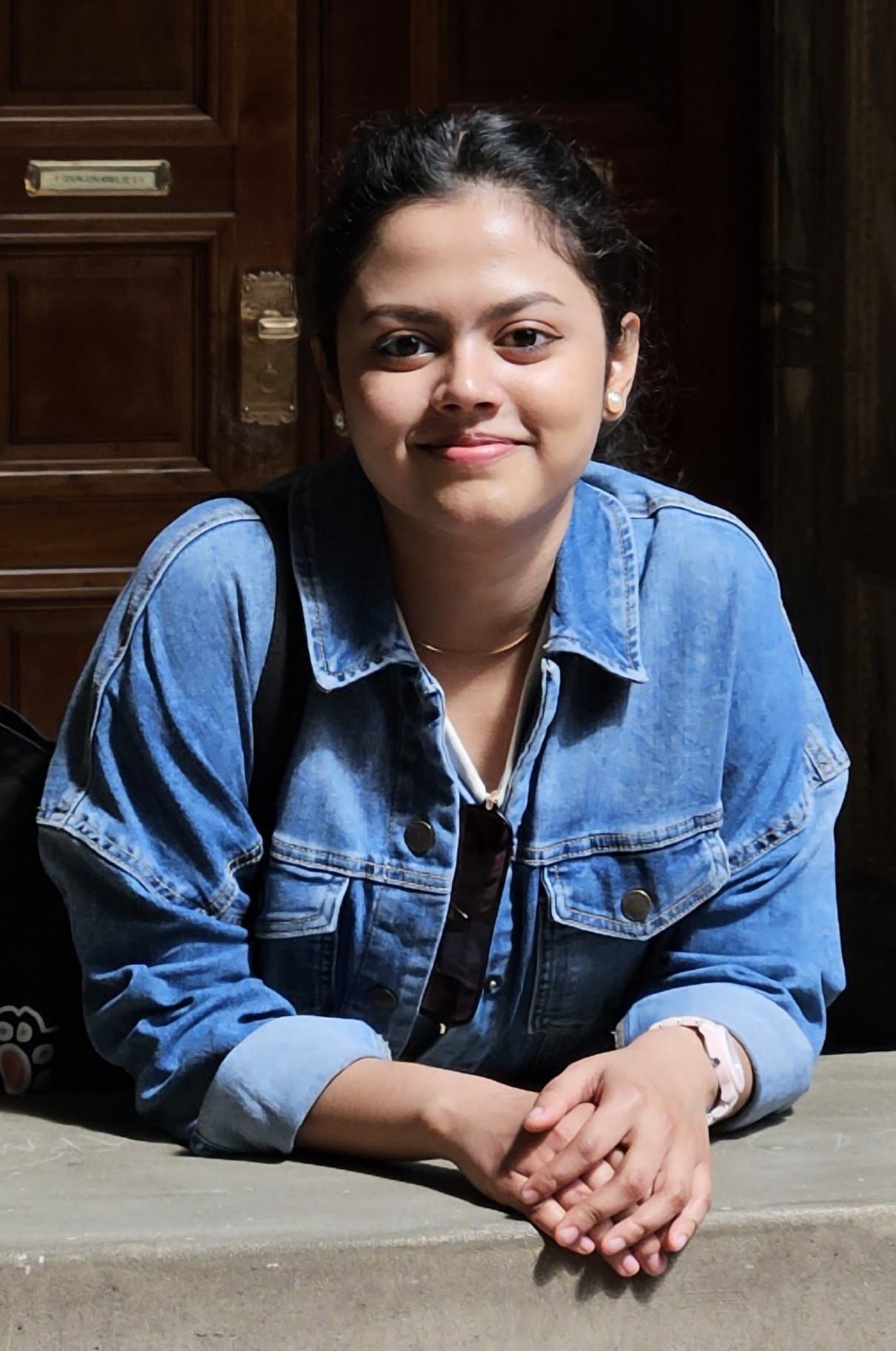
Basila Bhanu Pattani Ameerjan
Master’s student
Basila works on two of our method projects. In the OVERTONE project, she develops and tests the calculation of anharmonic vibrational spectra with second-order vibrational perturbation theory (VPT2), including overtones, combination bands and Fermi resonances, for molecules and adsorbates on surfaces. She is a co-author of the open-source OVERTONE code. In addition, she contributes to our structure determination framework, which combines pair distribution functions, DFT and machine learning.
Alumni

Noah Felis
Research internship and master’s thesis · now PhD student in the Neudecker group, University of Bremen
In his research internship, Noah developed FALCON, our active-learning framework for machine learning potentials in molecular dynamics simulations. This work was published in npj Computational Materials (2026). In his master’s thesis, he built a framework that combines DFT, surface X-ray diffraction data and machine learning to determine the atomic structure of surfaces.
Janosch Ehlers
Research project
Janosch worked on FALCON, our active-learning framework for machine learning potentials. He implemented a GPyTorch add-on for FALCON, analysed the time-limiting steps of the code, and added and compared new descriptors.
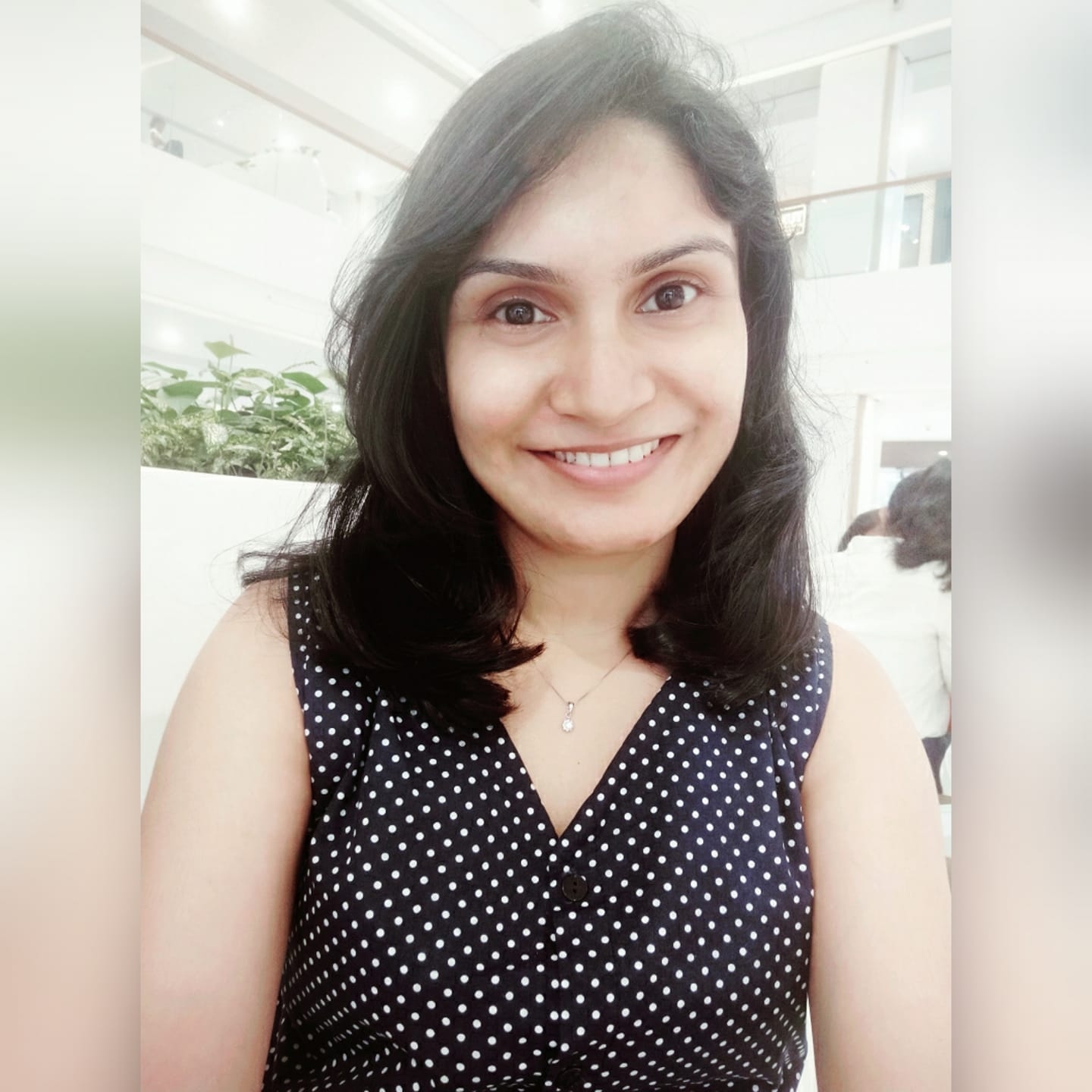
Siyara Kehelwalathenne
Research internship and master’s thesis · now PhD student in Leipzig
Siyara worked on the direct mechanocatalytic Suzuki–Miyaura reaction, an interdisciplinary project with the Borchardt group at Ruhr University Bochum. The aim is a solvent-free route to one of the most important C–C bond-forming reactions in organic synthesis: the cross-coupling is driven by a catalytically active palladium milling ball, which also supplies the mechanical energy that initiates the reaction. Siyara used quantum chemical simulations to explore favourable reaction pathways, activation barriers and the influence of external mechanical energy on the reaction. The work contributes to cleaner and greener production of functional molecules, pharmaceuticals and natural products.
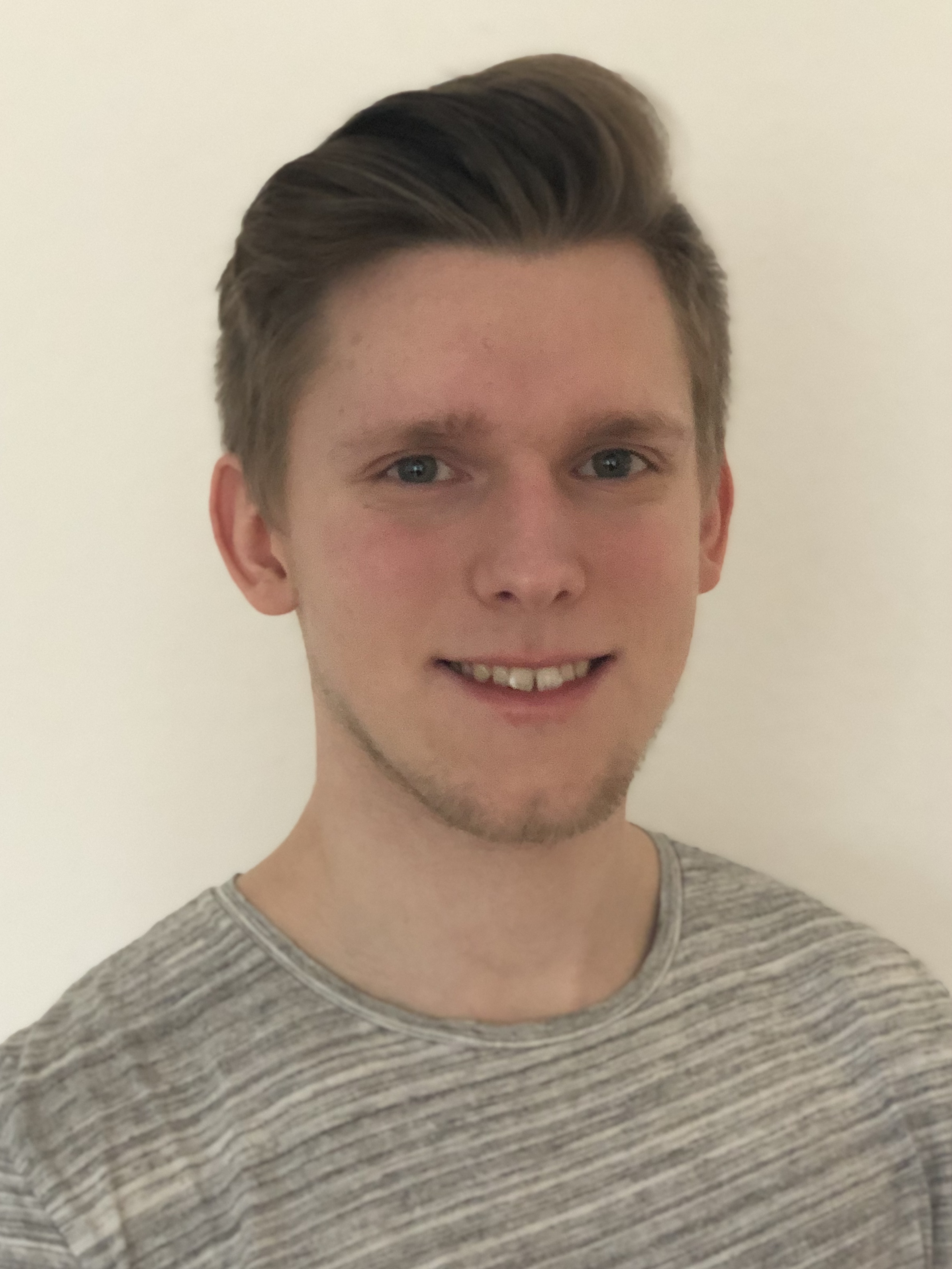
Nico Kissing
Master’s thesis
In his master’s thesis, “Global property optimization of chemical compounds based on ab initio calculations and machine learning,” Nico extended our global optimization approach so that it searches for molecules with a desired property instead of only the most stable structure.
Celine Tennagen
Research internship · now PhD student in the group of Christina Roggatz, University of Bremen
Celine carried out anharmonic vibrational calculations based on second-order vibrational perturbation theory (VPT2).
Annelene Plump
Research project
Annelene applied global optimization to electronically excited states and analysed the products of photodissociation reactions on oxide surfaces.
Join us
We are always happy to welcome motivated students. Bachelor’s and master’s thesis topics as well as research modules are available at any time. You can find more information on the Teaching page, or simply send an email.