Research at the Interface of Atomistic Simulations, Quantum Mechanics, and Machine Learning
POPULAR TOPICS


At the interface of Chemistry, Simulation and AI
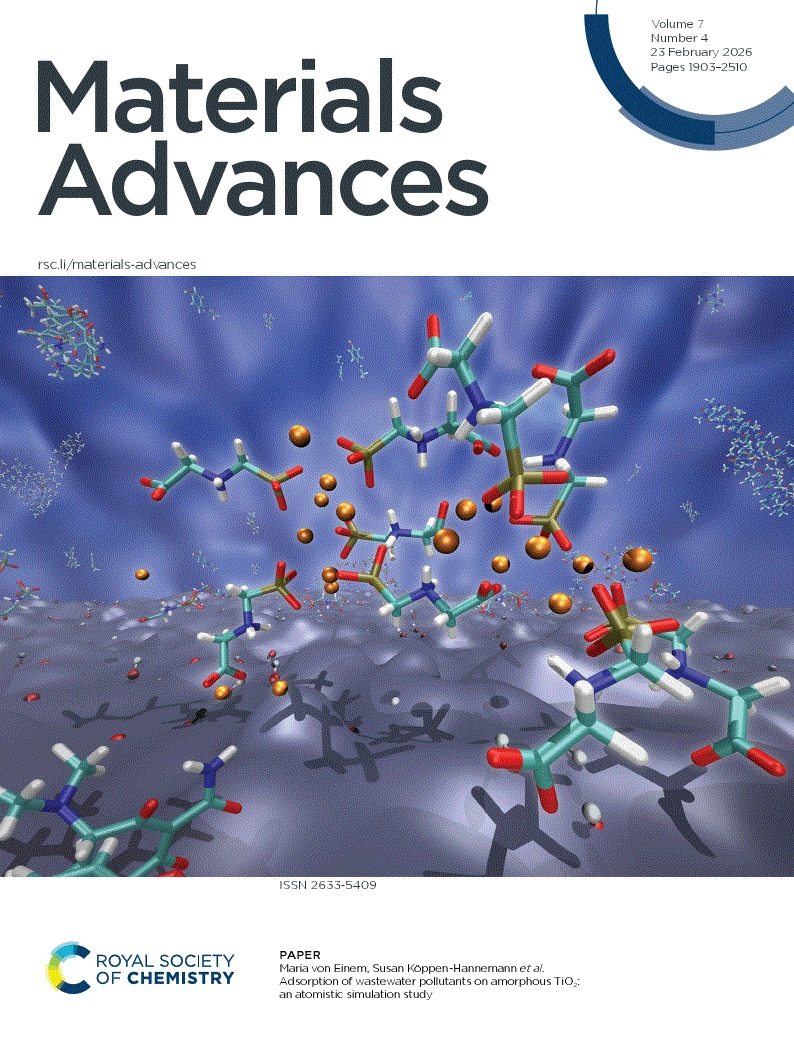
Our work brings together quantum chemistry, atomistic simulations and machine learning to understand complex materials and chemical processes. Two lines are at the core of our research: i) determining atomic structures by combining diffraction experiments with DFT and machine learning, and ii) developing active-learning machine learning potentials for fast and accurate molecular dynamics. Further topics include catalytic reactions on metal and oxide surfaces, vibrational spectroscopy and high-level ab initio methods.
Find out more about our research combining active machine learning with atomistic simulations based on quantum chemical calculations and analysis of diffraction experiments.


New Software and modern Hardware
New Software for Atomistic Simulation
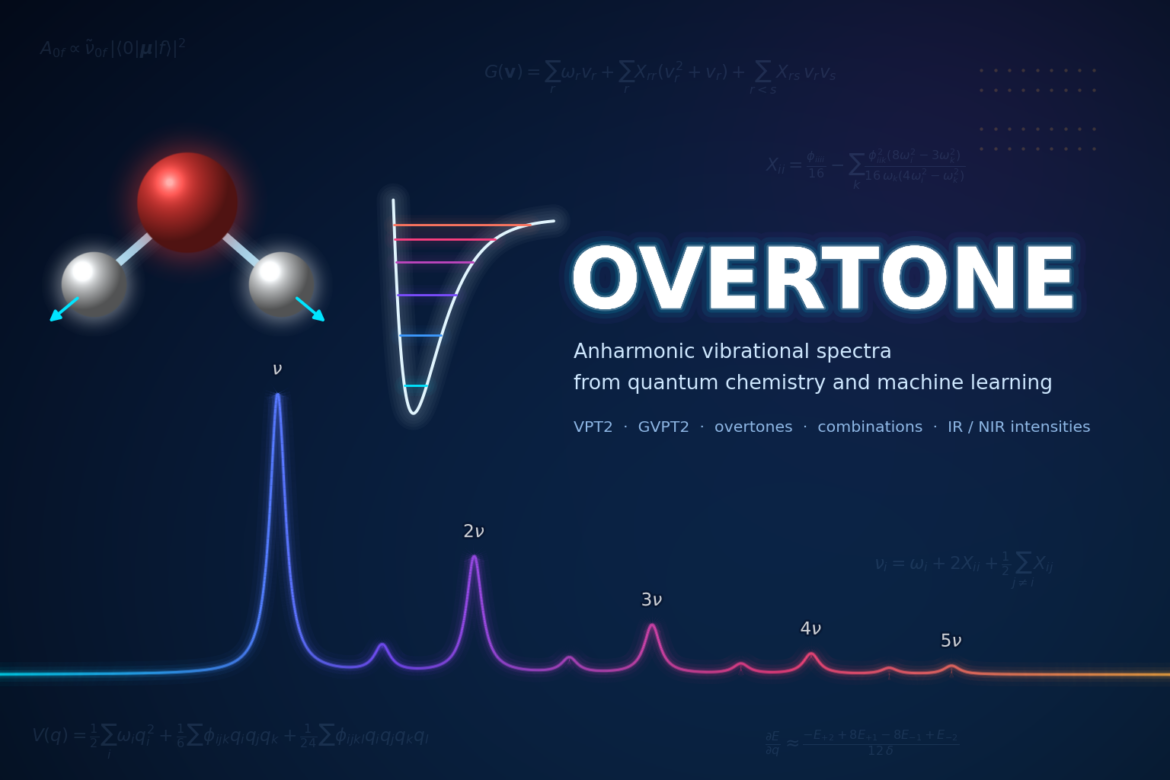
Computational chemistry is changing fast. Machine learning now makes it possible to reach quantum chemical accuracy at a fraction of the cost. We develop open-source tools for this, such as FALCON for active-learning molecular dynamics and OVERTONE for anharmonic vibrational spectra, and we explore how emerging hardware such as quantum computers could be integrated into simulation workflows.
Our group contributes to this development by exploring and shaping these new computational strategies.